The International Association for Territorial Development (IATD) organized a business mission to Oman for representatives of Russia’s construction and investment community. Over five days, delegates met with the leadership of the relevant ministry, representatives of government investment institutions and development companies, and visited major urban development projects and active construction sites. Following the talks, work began on cooperation agreements, preliminary understandings were reached on investment cooperation, and opportunities for Russian companies to participate in projects in the Sultanate were identified.
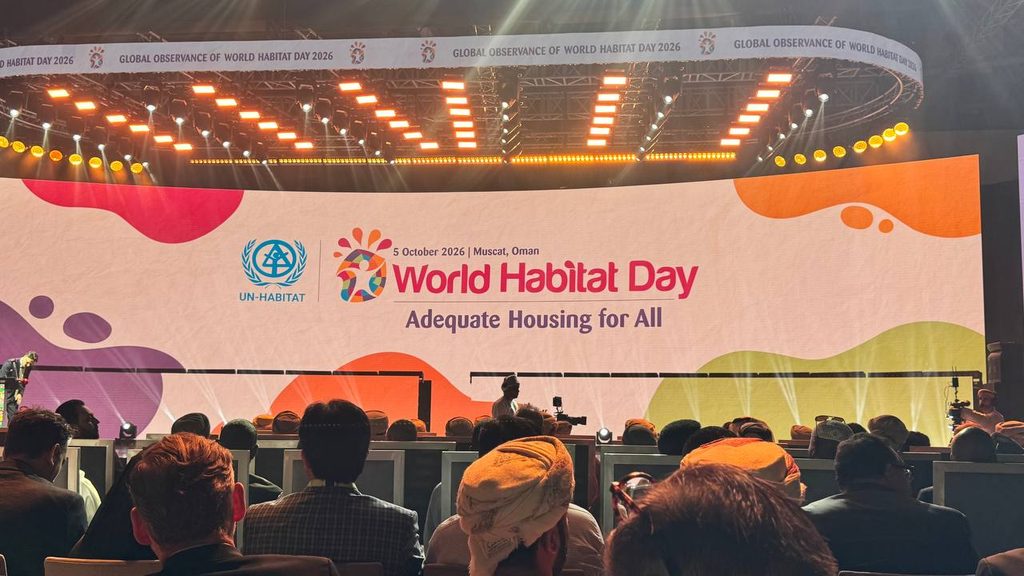
Muscat, Sultanate of Oman · 5–9 October 2026
The International Association for Territorial Development (IATD) has completed a business mission to the Sultanate of Oman aimed at strengthening cooperation in construction, integrated territorial development, real estate development and investment.

Vasil Mazitov: “Our Goal Is to Turn International Contacts into Real Investment Projects”
“Oman is of considerable interest because of the scale of its urban development, its public investment policy and its openness to international cooperation. During the mission, we saw not only concepts for future cities but also actual construction sites where these projects are taking shape.
I consider the move towards developing cooperation agreements with OPAZ and the Ministry of Housing and Urban Planning to be a particularly important result. We are discussing the establishment of a permanent cooperation mechanism through which IATD could help attract investors and developers from Russia and Central Asia to projects in the Sultanate.
Talks on bilateral private investment are already continuing, and one of the companies participating in our mission is considering joining a specific project.
At the same time, entering the Omani market does not necessarily require a developer to finance 100% of a project from its own funds. In certain projects, provided there is a capable team, a convincing concept and an agreed financial model, the developer’s own contribution may amount to approximately 10% of the investment; the remainder could potentially come from local co-investors and bank financing. Early-stage sales are another significant factor: under the models discussed, around 30% of properties may be sold as early as the excavation stage. In some projects, land plots may be provided at no separate charge, while basic infrastructure is delivered by the government. These are not universal terms, however: land allocation, presales, the equity contribution and access to financing depend on the specific project, its legal framework and the decisions of investors and banks. This is precisely why direct negotiations with relevant ministries, developers and financial partners matter so much. We are interested not in one-off visits but in building a long-term system of cooperation in which each successive mission builds on the results of the previous one. Our aim is for Russian companies not merely to learn about international opportunities, but to become full participants in major investment and urban development projects,” said Vasil Mazitov.
The five-day program included participation in the international Urban October 2026 conference and meetings with representatives of Oman’s Ministry of Housing and Urban Planning (MOHUP), the Public Authority for Special Economic Zones and Free Zones (OPAZ), the state-owned development group OMRAN, and private real estate developers.
A particular focus was firsthand exposure to the Sultanate’s major urban development initiatives: Sultan Haitham City, Al Khuwair Downtown, Jabal Al Ali and Blue City. The Russian delegation visited experience centers, reviewed investment concepts and toured construction sites.
The mission’s principal outcome went beyond familiarization with promising projects. The negotiations made it possible to discuss concrete cooperation mechanisms, including representing the interests of Omani public institutions in Russian and Central Asian markets, attracting private investment, and engaging Russian companies in real estate development projects.
Urban October 2026: An Introduction to Oman’s Urban Development Strategy
The business program began with participation in Urban October 2026, an international industry conference devoted to urban development, housing, sustainable urbanization, emerging urban planning technologies and infrastructure investment.
The Russian delegates learned about Oman’s approaches to developing new urban areas, regenerating existing built-up districts and creating multifunctional urban centers. Of particular interest were integrated development models in which residential, social, transport, utility and commercial infrastructure are delivered in parallel.
The conference also provided a platform for establishing professional contacts and meeting organizations directly involved in implementing Oman’s urban development policy.
The program acquired particular international significance with the global observance of World Habitat Day, held in Muscat on 5 October 2026 under the auspices of UN-Habitat. The central theme was “Adequate Housing for All.” The event was attended by Anacláudia Rossbach, Executive Director of the United Nations Human Settlements Programme (UN-Habitat). According to UN-Habitat, the event brought together more than 800 participants, while the ministerial segment included ten ministers and deputy ministers from Oman, Pakistan, Türkiye, Somalia, Bahrain, Egypt, Libya, Kuwait, Qatar and the United Arab Emirates. This high-level representation highlighted the international significance of discussions on affordable housing, sustainable urbanization and cooperation between governments and the development community.
Sultan Haitham City: From Concept to Construction
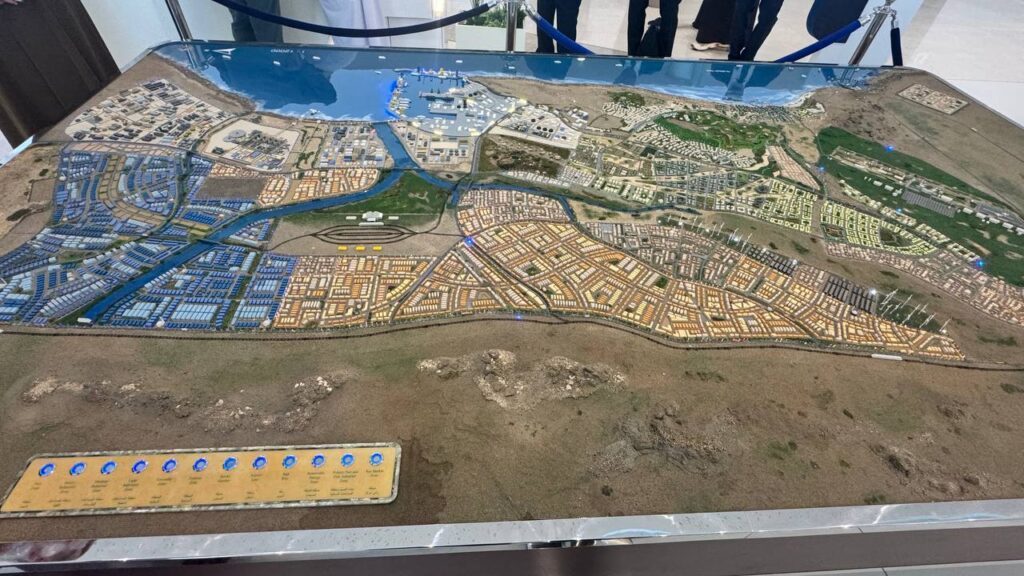
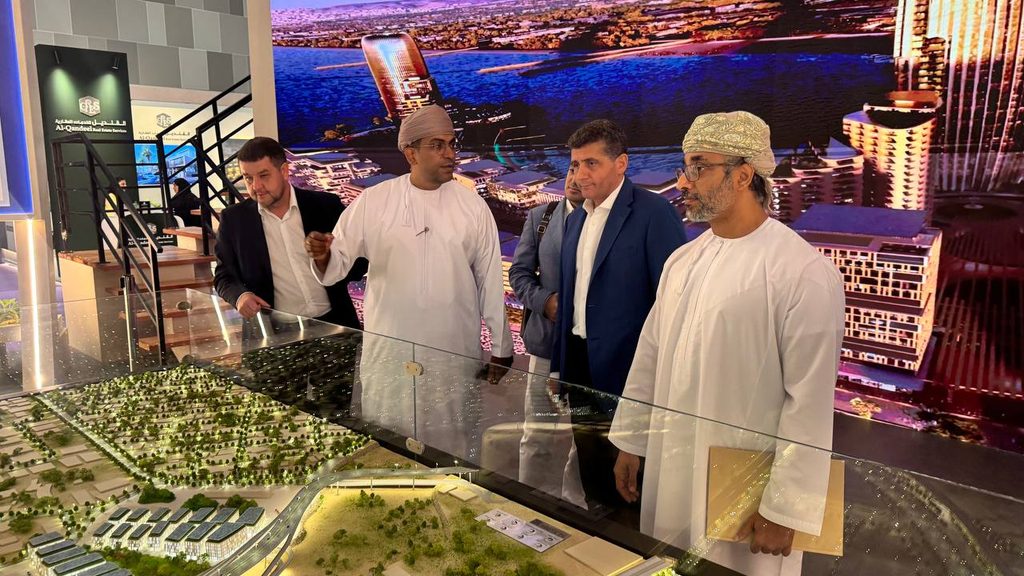
The visit included a tour of the Sultan Haitham Experience Center, which presents the large-scale Sultan Haitham City project. The delegation was introduced to the concept of a new city combining residential neighborhoods, public spaces, social facilities, commercial properties and recreational areas.
Particular attention was paid to integrated planning principles, phased implementation and the creation of a complete urban environment. The program extended beyond the presentation: a separate visit to the Sultan Haitham City construction site was organized for the participants.
Discussions covered land allocation, connections to electricity, water supply and sewerage networks, and the division of responsibility between the government and developers for delivering infrastructure.
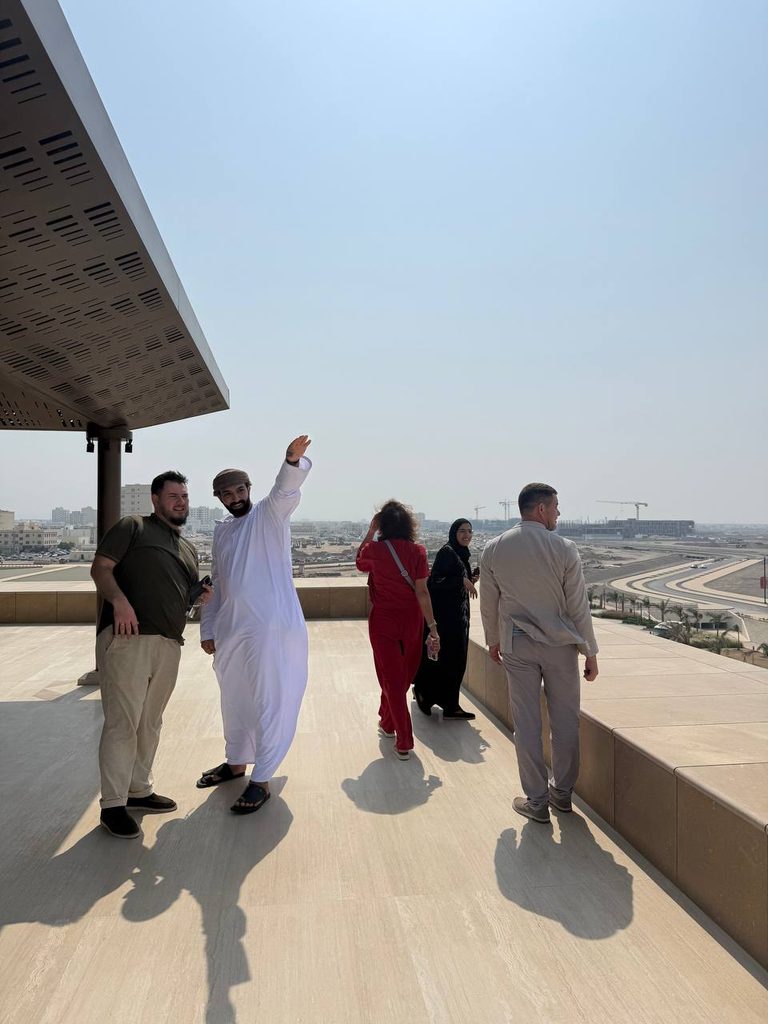
The site visit enabled participants to see how urban planning decisions are translated into practice and to assess the scale of infrastructure development and the organization of construction activities. For Russian investors, developers and contractors, projects of this kind offer an opportunity to examine potential areas of involvement, from financing individual facilities to design, construction and the deployment of engineering and digital solutions.
The scale of the project is reflected in the published Sultan Haitham City master plan: a total site area of 14.8 million sq m (14.8 sq km), approximately 20,000 residential units of various types, and an estimated population of around 100,000. Approximately 2.9 million sq m is allocated to green areas and public spaces. The project’s total stated value is estimated at USD 5.2 billion. According to the published parameters of the first phase, approximately 7.05 million sq m of land was planned for development, with about 3.51 million sq m of total built-up floor area, including both residential and non-residential properties; this figure does not represent residential space alone. These parameters demonstrate the scale of potential demand for development, construction and infrastructure expertise.
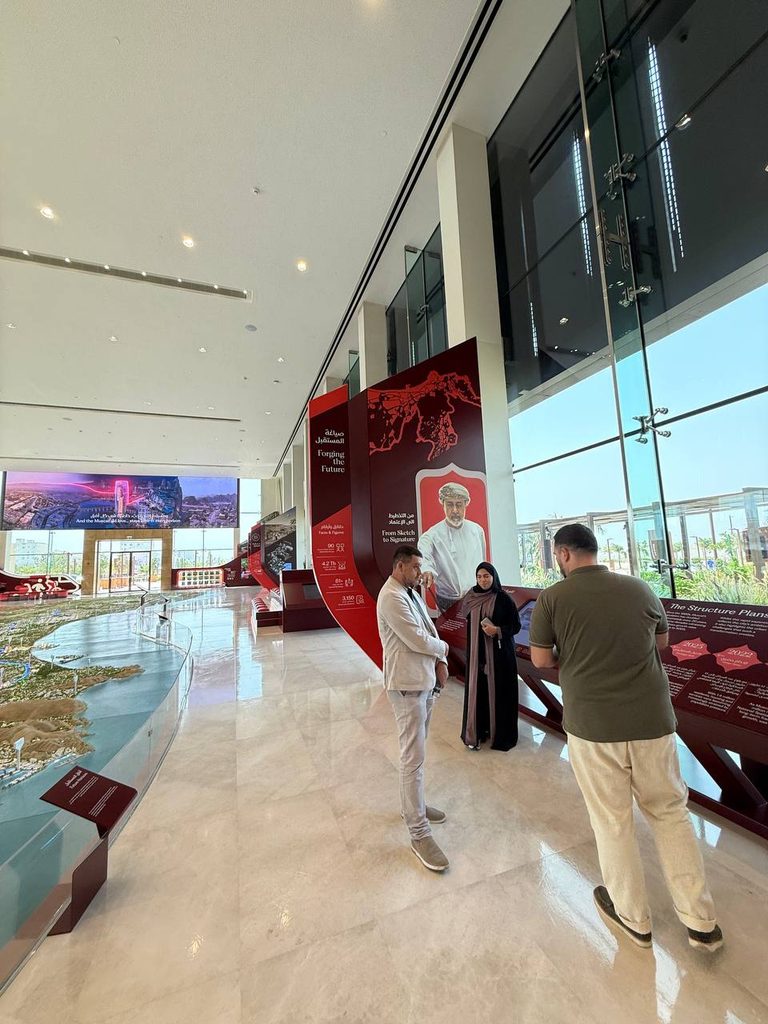
Meeting with MOHUP Leadership: Long-Term Cooperation
One of the most important items on the program was a meeting with representatives of the Sultanate of Oman’s Ministry of Housing and Urban Planning (MOHUP), including a meeting with the Minister. Discussions focused on integrated territorial development, construction, urban planning, investment attraction and the exchange of professional expertise.
Following the talks, work began on a cooperation agreement between IATD and MOHUP. One proposed area of cooperation is the establishment of a sustainable engagement mechanism to attract development, investment, design and construction companies from Russia and Central Asia to promising projects in the Sultanate.
The possibility of including experts from the International Association for Territorial Development in a specialized working group under MOHUP is also being discussed. This format could facilitate ongoing expert cooperation on integrated territorial development, investment readiness of projects and modern territorial planning tools.
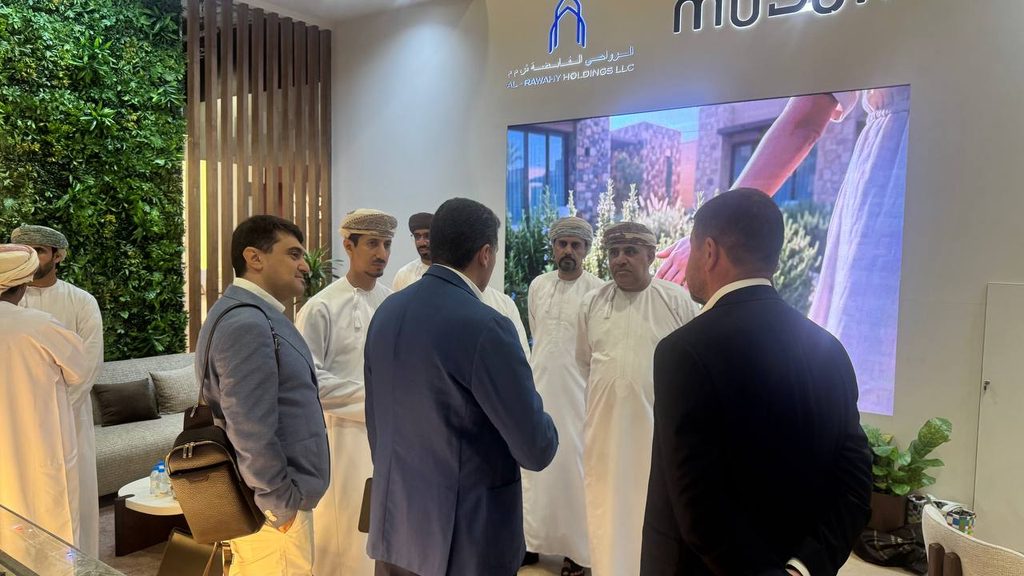
OPAZ: Exploring Authorized Representative Status
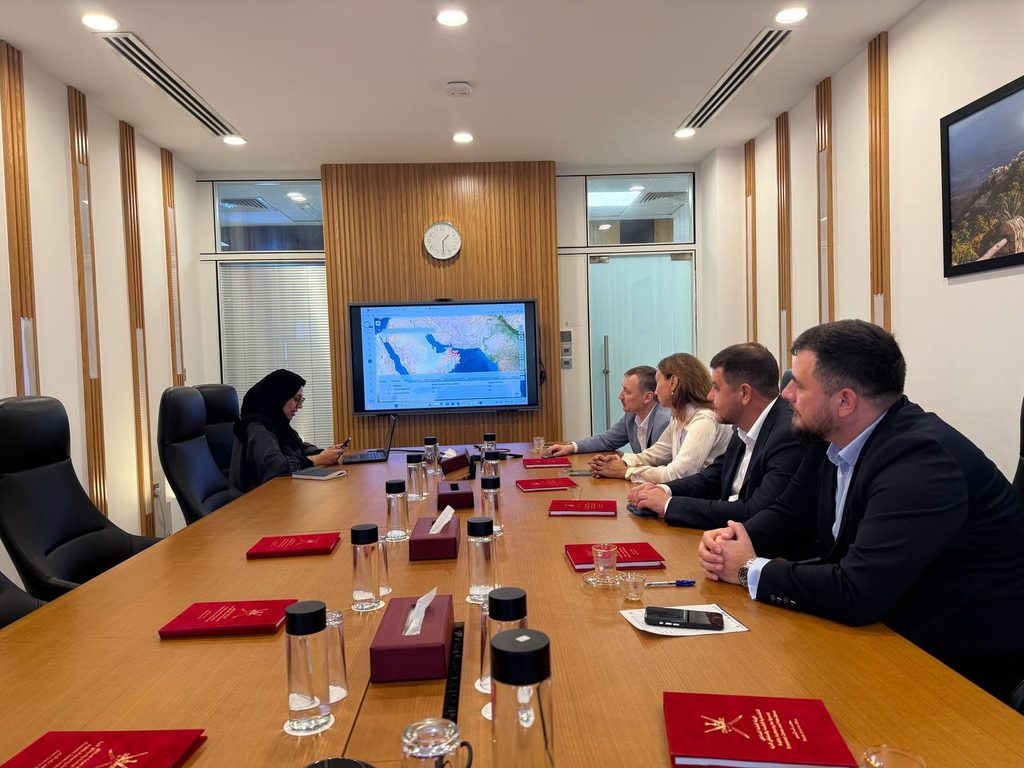
Particular importance was attached to negotiations with the Public Authority for Special Economic Zones and Free Zones (OPAZ), the government body responsible for the development and regulation of the Sultanate of Oman’s special economic and free zones.
During the meeting, delegates examined investment opportunities in Oman’s economic zones, existing resident support mechanisms, tax and customs incentives, land allocation procedures and the conditions for foreign companies to establish a local presence. Opportunities for manufacturing facilities, logistics and industrial assets, and infrastructure development were discussed.
One of the key practical outcomes was the start of work on an agreement that could grant IATD the status of an authorized OPAZ representative in the Russian Federation and Central Asian countries.
The proposed cooperation aims to establish an ongoing channel of communication between OPAZ and prospective investors and industrial, construction and technology companies. IATD could assist in informing businesses about investment opportunities in the zones, establishing direct contacts and carrying out preliminary assessments of proposed initiatives. The precise powers, geographic scope and terms of representation will be determined by the parties if the agreement is signed.
OMRAN Group: Tourism, Hospitality Real Estate and New Destinations

The mission included a meeting with representatives of OMRAN Group, a state-owned group specializing in tourism destination development, hospitality infrastructure and investment projects. The delegation learned about the group’s approaches to creating tourism destinations, developing hotel complexes and opening up new territories.
Particular attention was paid to potential models for private investors and developers to participate in hospitality, leisure and mixed-use property projects. The program included a site visit to Blue City (Al Madina A’Zarqa).
Participants explored approaches to coastal development, utility infrastructure and the integrated implementation of major property development projects. The visit provided firsthand insight into the investment and construction cycle and potential areas for cooperation.
Blue City (Al Madina A’Zarqa) was originally conceived as a new coastal city occupying approximately 32 sq km, with about 16 km of coastline in the Al Sawadi area. The historical concept envisaged a population of more than 200,000, approximately 20 hotels, university and healthcare infrastructure, retail and business areas, leisure facilities and a marina. According to materials from participants in the original planning process, the entire concept was provisionally valued at USD 15–20 billion. Importantly, these are figures from the original master plan prepared in the 2000s, not verified current construction volumes or binding investment commitments. The project encountered financial and organizational difficulties, so the current status of its individual phases needs to be clarified with the relevant rights holders and partners.
Al Khuwair Downtown and Jabal Al Ali: New Investment Areas
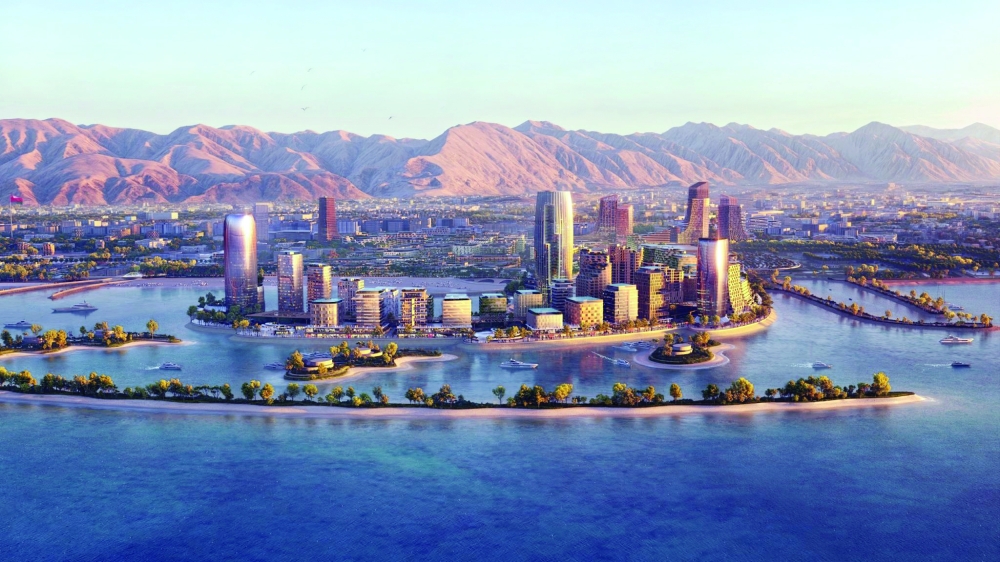
A significant part of the mission was devoted to exploring projects being implemented or planned with MOHUP involvement. One of these was Al Khuwair Downtown, a major initiative to transform part of Muscat into a modern multifunctional urban center.
The delegation reviewed the project concept, which provides for residential, business, hospitality, commercial and public infrastructure. A separate item on the program was a visit to the Al Khuwair Downtown site, arranged with the involvement of an adviser to the Minister of Housing and Urban Planning.
Participants also learned about the Jabal Al Ali project, broadening their understanding of Oman’s prospective urban development and investment directions. The program offered an opportunity to consider the projects not only from an architectural perspective, but also as potential investment assets and platforms for international development cooperation.
According to Oman’s official investment portal, Al Khuwair Downtown covers approximately 1.6 million sq m, with plans for more than 7,500 real estate units and the creation of over 18,000 jobs. The concept developed by Zaha Hadid Architects estimates the new district’s population at approximately 64,500. The project includes a distinctive high-rise skyline with landmark buildings up to 180 meters tall, six hotels providing approximately 2,200 rooms, office and commercial properties, cultural facilities, a beachfront area, yacht and sports marinas, and a promenade canal accommodating water transport. The project is designed to create a new urban center active around the clock. Published sources give different estimates of the project’s total area depending on the boundaries of the master plan considered; the figure used here is taken from the official investment portal.
Dialogue with Private Developers
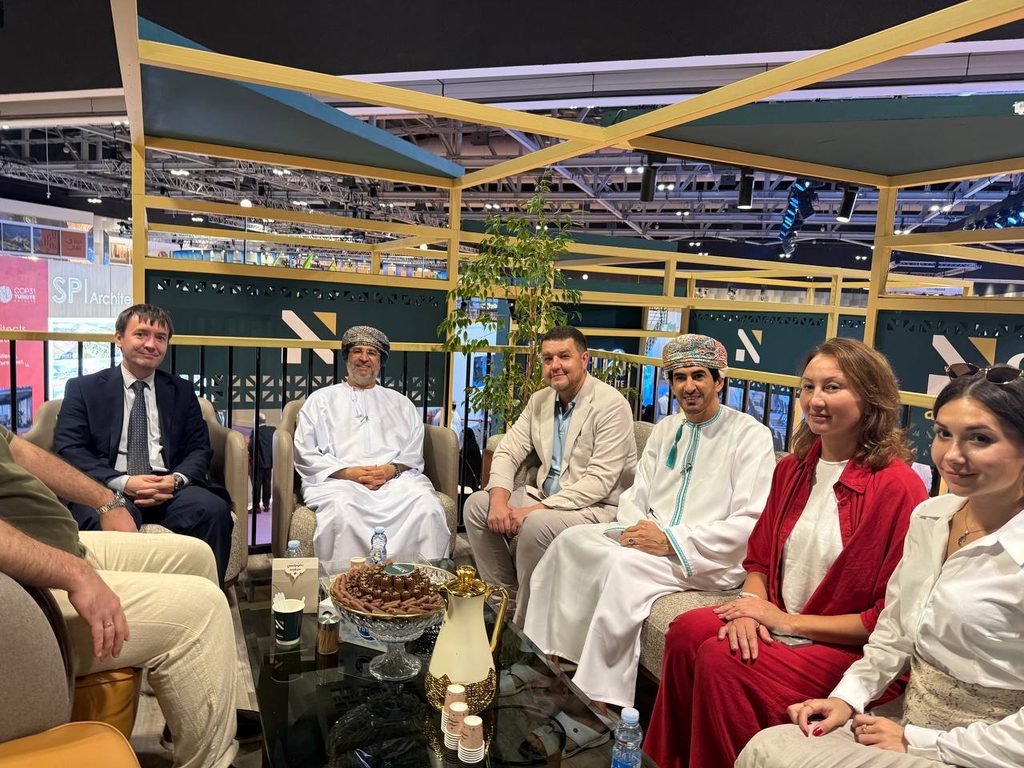
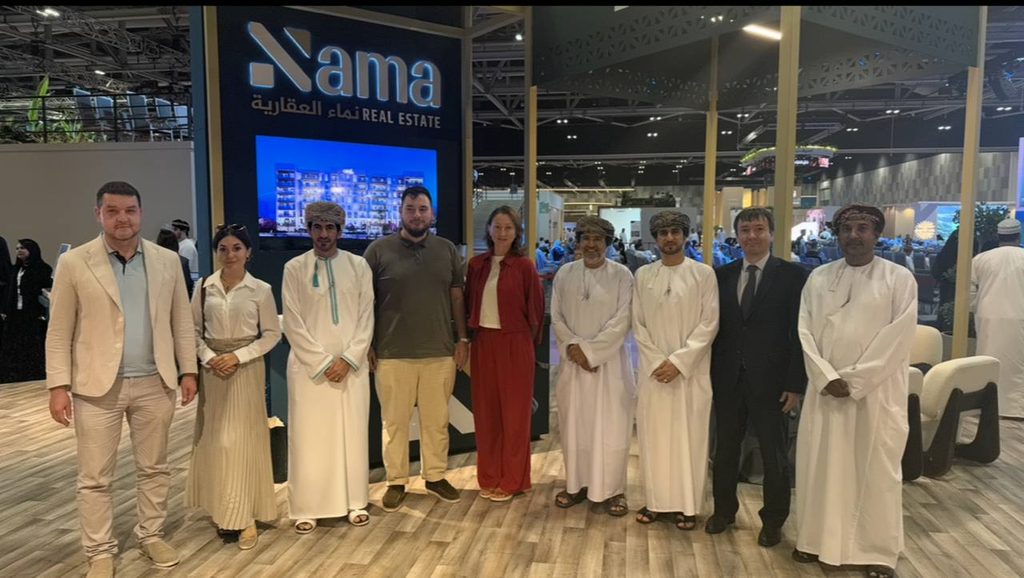
Alongside meetings with government institutions, the delegation held talks with representatives of the development company NAMA. The parties exchanged information on their areas of activity, approaches to implementing construction projects and possible forms of cooperation.
Engagement with private businesses provided an important complement to discussions with government organizations and enabled participants to assess Oman’s investment opportunities from the perspective of companies operating directly in the local market.
Practical Outcomes: Investment and Project Participation
One of the most significant results of the business mission was the development of a concrete agenda for future investment cooperation. Following the meetings, preliminary understandings were reached on developing bilateral private investment involving interested Russian and Omani partners.
The areas under discussion include opportunities for Russian capital to participate in projects in the Sultanate, as well as potential Omani investment in projects proposed by the Russian side. Negotiations are ongoing as the parties explore investment structures, participation terms and next organizational steps.
The potential entry of one of the Russian companies participating in the mission into one of the proposed investment and real estate development projects in Oman is also under consideration. Due to the confidential nature of the negotiations, the company’s name, project details, potential investment amount and proposed participation terms are not being disclosed.
In parallel, IATD continues its efforts to attract Russian and Central Asian developers, construction firms and investment companies to consider projects presented by the Omani side. Together, the preliminary understandings reached and agreements under development lay the groundwork for cooperation extending beyond a single visit.
From a One-Off Visit to a Lasting Presence in the International Market
The business mission demonstrated the potential of IATD’s model of international cooperation. Rather than simply organizing isolated protocol meetings, its foundation is the creation of a professional framework for engagement among investors, developers, public authorities and organizations responsible for major projects.
Work on agreements with OPAZ and MOHUP, discussions about involving Association experts in a specialized working group, and ongoing investment negotiations could form
the basis for systematic engagement in the Sultanate’s market. For Russian companies, this could open up opportunities to examine participation terms in investment initiatives in greater detail; for Omani partners, it could help attract capital, expertise and technologies.
Continuing IATD’s International Business Missions
Following the visit, the International Association for Territorial Development is continuing its engagement with Omani partners, preparation of draft agreements and development of investment initiatives. Particular attention will be given to supporting interested Russian companies, expanding contacts within the development sector and strengthening expert cooperation with relevant institutions in the Sultanate.
The mission demonstrated the practical value of programs that combine meetings with government agencies, exposure to investment projects, visits to construction sites and negotiations with prospective partners. IATD plans to build on this experience when organizing future international business missions.
For companies interested in international expansion, participation in such programs offers an opportunity not only to learn about a new market but also to engage directly in professional dialogue with organizations shaping the country’s investment and urban development agenda. The most meaningful results often emerge after the program itself, through continued negotiations, preparation of agreements and the formation of partnerships.